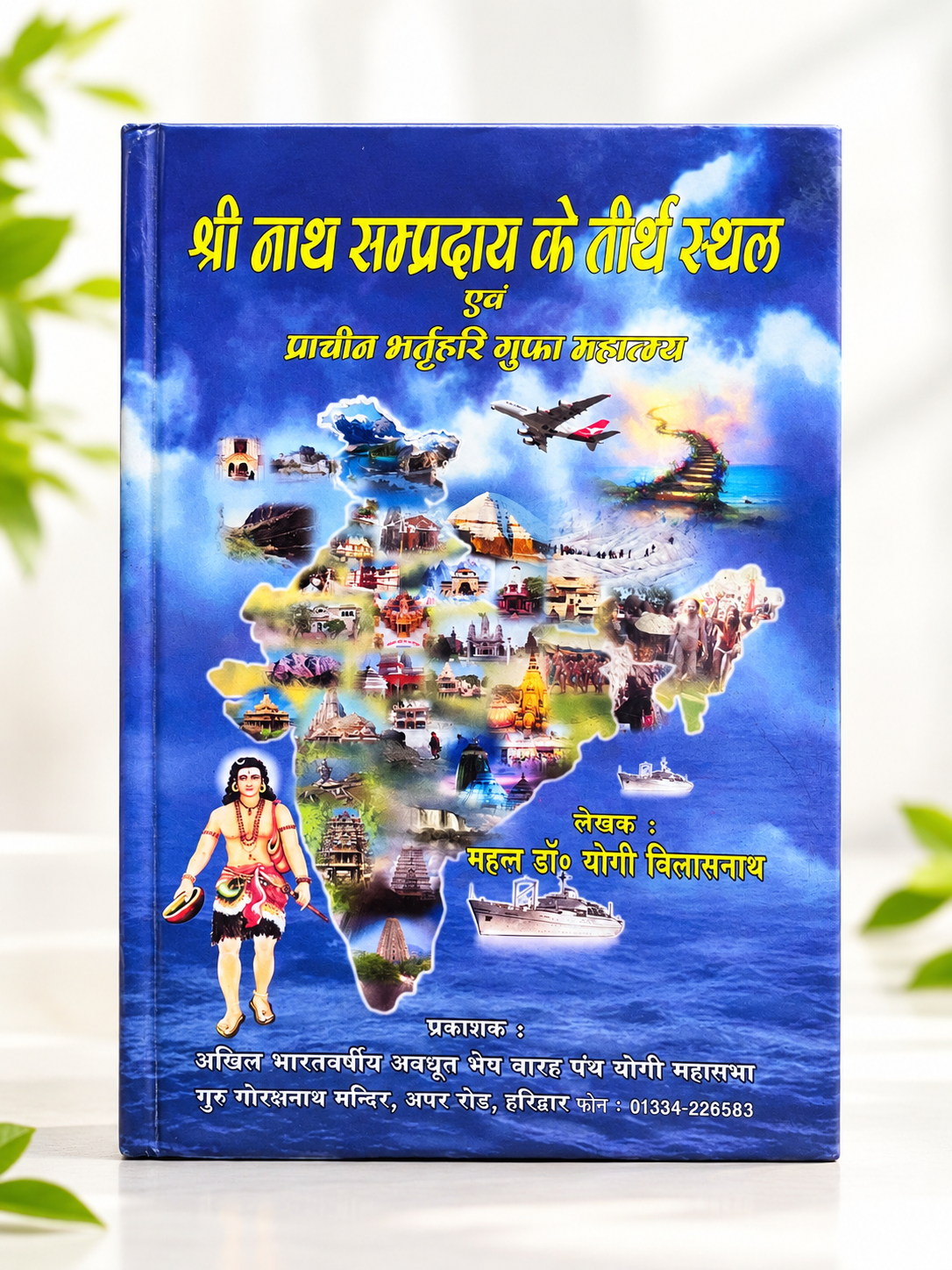
Tirth Sthal of the Nath Sampradaya & the Bhartrihari Cave
Mahant Dr. Yogi Vilasnath
₹400
Author of these scriptures
A yogi, painter and the author of all ten books here. From a physics degree and a factory job, through the forests of Sajjangad and the ear-splitting rite at Asthal Bohar, to twenty years of service at the Guru Gorakshanath temple in Haridwar.
Born in 1957 at Nashik, Maharashtra. His father, Shri Shankarrao Kapile, served as a sub-inspector at Nashik; his mother was Sau. Vatsala Devi.
In 1961 his parents came into contact with Shri Babaji Anandnath ji and received mantra initiation. His childhood passed in Ganga baths and Chaturmas observances with his mother, and in holidays spent serving his parents' Sadguru.
His training was in science: a B.Sc. in Physics in 1979. The habit visible throughout his books — of looking at sadhana with a scientist's eye — begins here.
From 1981 to 1984 a supervisor at Pharma Synth Chemical factory; from 1984 to 1991 a shift supervisor and then shift in-charge at F.F.C. Ltd.
These same ten years were his years of hardest sadhana. In 1983, in the forest of Sajjangad (district Satara) — the tapobhumi of Samarth Ramdas Swami — living in a cave on one meal a day and a single garment, in unbroken recitation and worship.
The same year, sadhana in the dense forest of Ramjhal and Chafal (dist. Satara), living on wild figs, roots and tubers. He writes that there the plants themselves spoke of their own properties and uses.
Later, a seven-day hatha-yoga anushthan in a cave on Markandeya hill; pavanahari sadhana on Anjaneri during Shravan; Navratri sadhana at the shakti-peethas of Saptashrungi, Tuljapur and Kolhapur; and the vision of Shivjata on Brahmagiri hill at Trimbak. It was after these that the decision to renounce the world was taken.
In 1985–86 he went to the village of Galna (dist. Nashik), the tapobhumi of his gurudev Yogi Anandnath ji, for darshan. There a wall carried an unfinished painting of the nine Naths — a painter had abandoned it midway.
He was himself a painter, so his guru asked him to complete it. Then the nine Naths, the nine Durgas, the twelve Jyotirlingas and the Ashtavinayak — painting these walls kept him there six or seven months, and in that time he received his guru's close company.
Leaving home, parents, relations and comfort was a hard passage, but he writes that by his guru's grace it became simple. At the Galna guru-sthan he received formal deeksha and instruction.
When the Patradev yatra — the walking company of Nath siddhas that goes from Trimbak to Kadali in Karnataka — reached Parunda (dist. Pune), his renunciation was formally settled there, with the customary bhandara.
His gurudev then took him straight to Math Asthal Bohar (Rohtak), where the ear-splitting rite was performed — alongside Yogeshwar Virnath of Gorakhpur. There he became a full follower of the Nath sampradaya. His chira guru was the math's head priest, Shri Yogi Hazarinath ji, and he was guided by the mathadhish, Mahant Chandnath ji.
At Asthal Bohar he demonstrated the asanas and methods of dhyan to his gurudev, and was asked to hold a yoga class — teaching the sadhus and sants for six months in a large hall. Alongside it, at his guru's command, his writing began.
Three years of steady practice produced «Shri Nath Rahasya» — 650 pages on shabar mantra and tantra, the observances and conduct of the Nath sampradaya, gyan-yoga, bhakti-yoga and karmakand. That book became an emblem of the tradition, and his gurudev made him an author.
«Shri Nath Siddhon ki Shankh Dhaal» (500 pages) came from the teaching of an upadeshi guru and his own experience. The subject was contested — Mahant Avaidyanath ji, president of the Yogi Mahasabha, along with Mahant Yogi Chandnath ji, Guru Yogi Anandnath ji and other principal upadeshi gurus, saw that the secret rite was being forgotten, and gave him the command to set it down in written, attested form.
The 20×18 foot oil painting of the nine Naths in the temple is his own, and became known across the country — and it was from that painting that «Shri Navnath Charitra» took its inspiration.
On the 2007 Kailash-Mansarovar journey he had darshan of Mount Omkar, and from that came «Shri Nath Siddhon ki Omkar Sadhana» — 250 pages establishing the founding principle, purpose and method of the Nath tradition.
Twenty years of his service, worship, dhyan, sadhana and tapasya have passed at the Yogi Mahasabha's Guru Gorakshanath temple in Haridwar — that is his karmabhumi.
His journeys abroad cover ten countries: China in July 2007, a five-week walk around Mount Kailash; Moscow, Germany, Latvia (Riga), Ukraine and Poland in January 2011; Yoga Day at Tyumen, Russia in 2012; sadhana and pilgrimage in Nepal and Tibet; and Yoga Day in Italy in 2016.
He writes that people from abroad now come to the Nath sampradaya and take initiation, and that his own purpose is simply this: that ordinary people should be able to understand the Nath siddha method plainly.
Bring the eternal into your worldly life; do not drag the worldly into the eternal.
— From Guruji's discourses
The root of science lies in our own sanatan spirituality.
— From Guruji's discourses
Without feeling, no mantra is ever accomplished — sadhana is not a mechanical act but a surrender of the heart.
— From Guruji's discourses
Die, O yogi, die — death is sweet. Die that death by which Gorakh died and saw.
— Gorakhbani — a doha of the tradition
Every book sold here is written or compiled by him.
Mahant Dr. Yogi Vilasnath
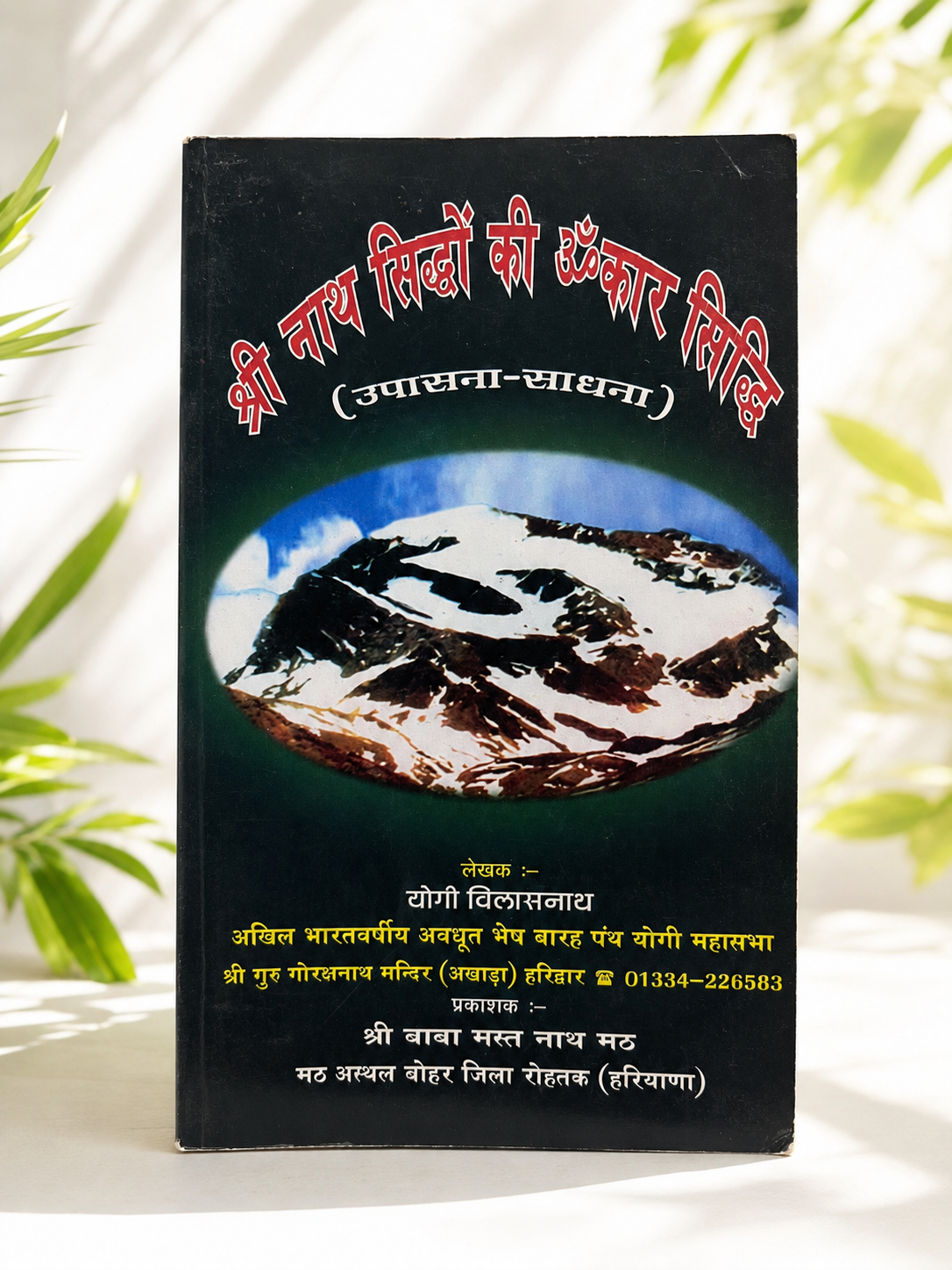
Yogi Vilasnath
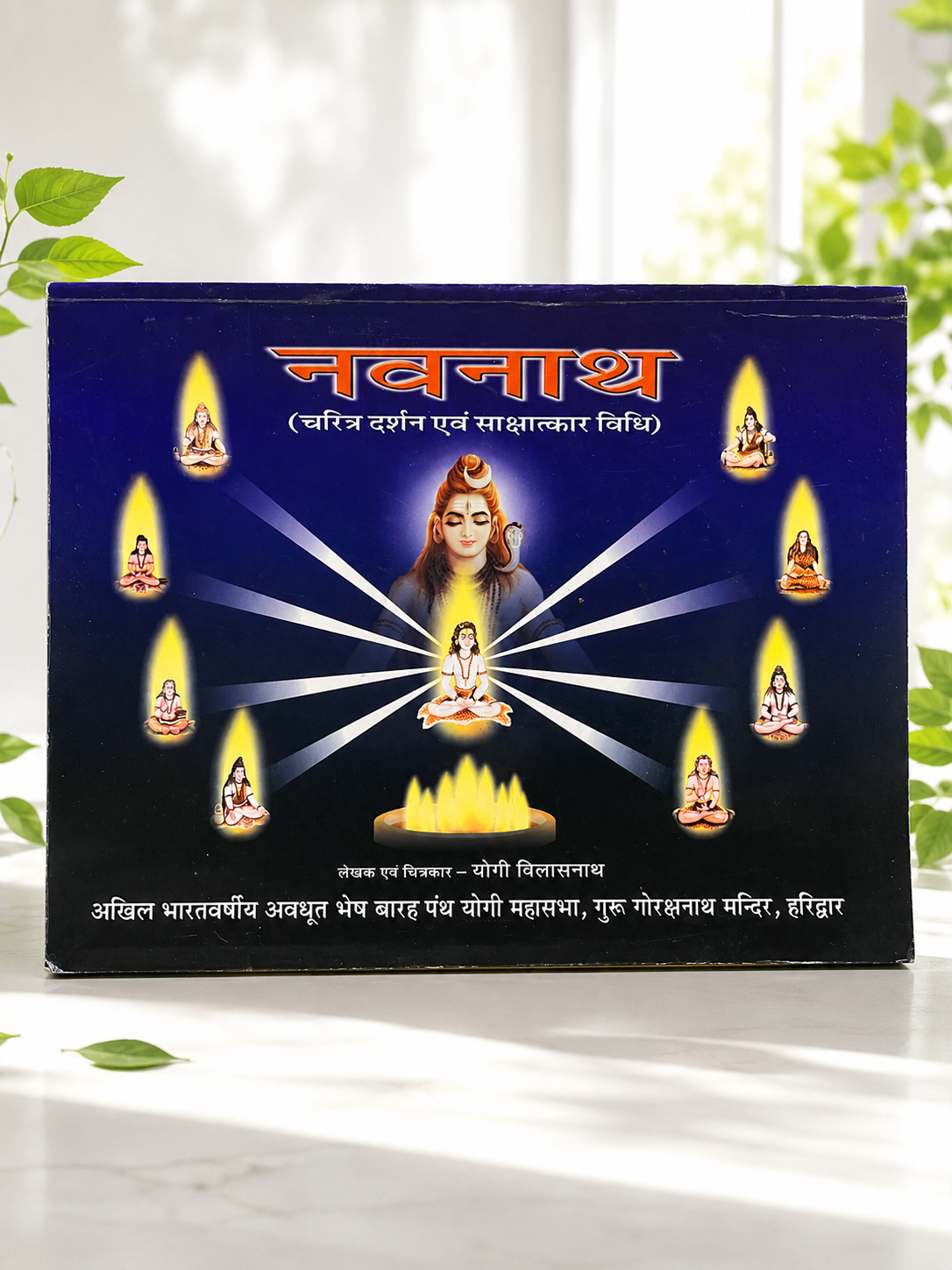
Yogi Vilasnath (author and illustrator)
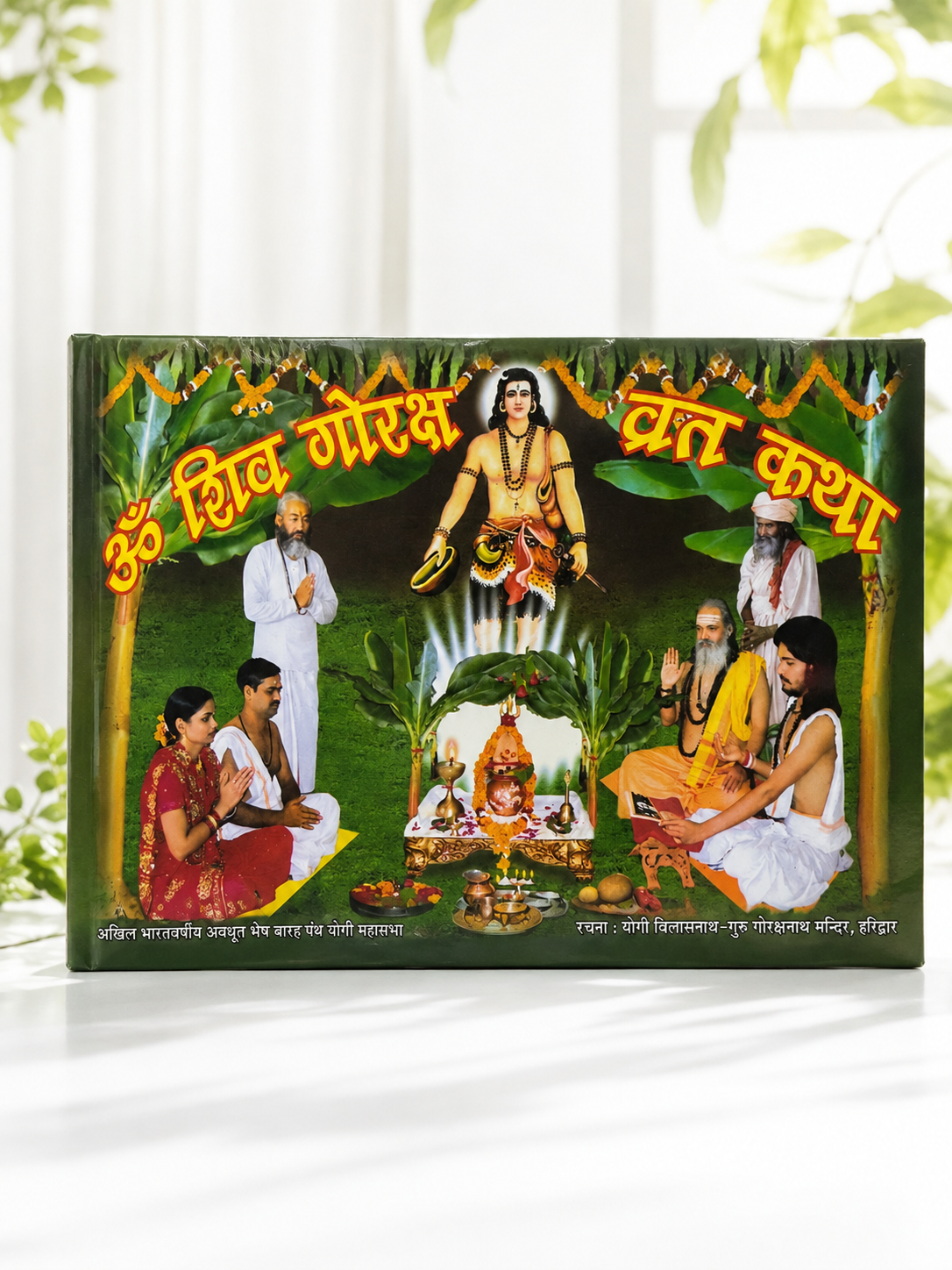
Yogi Vilasnath
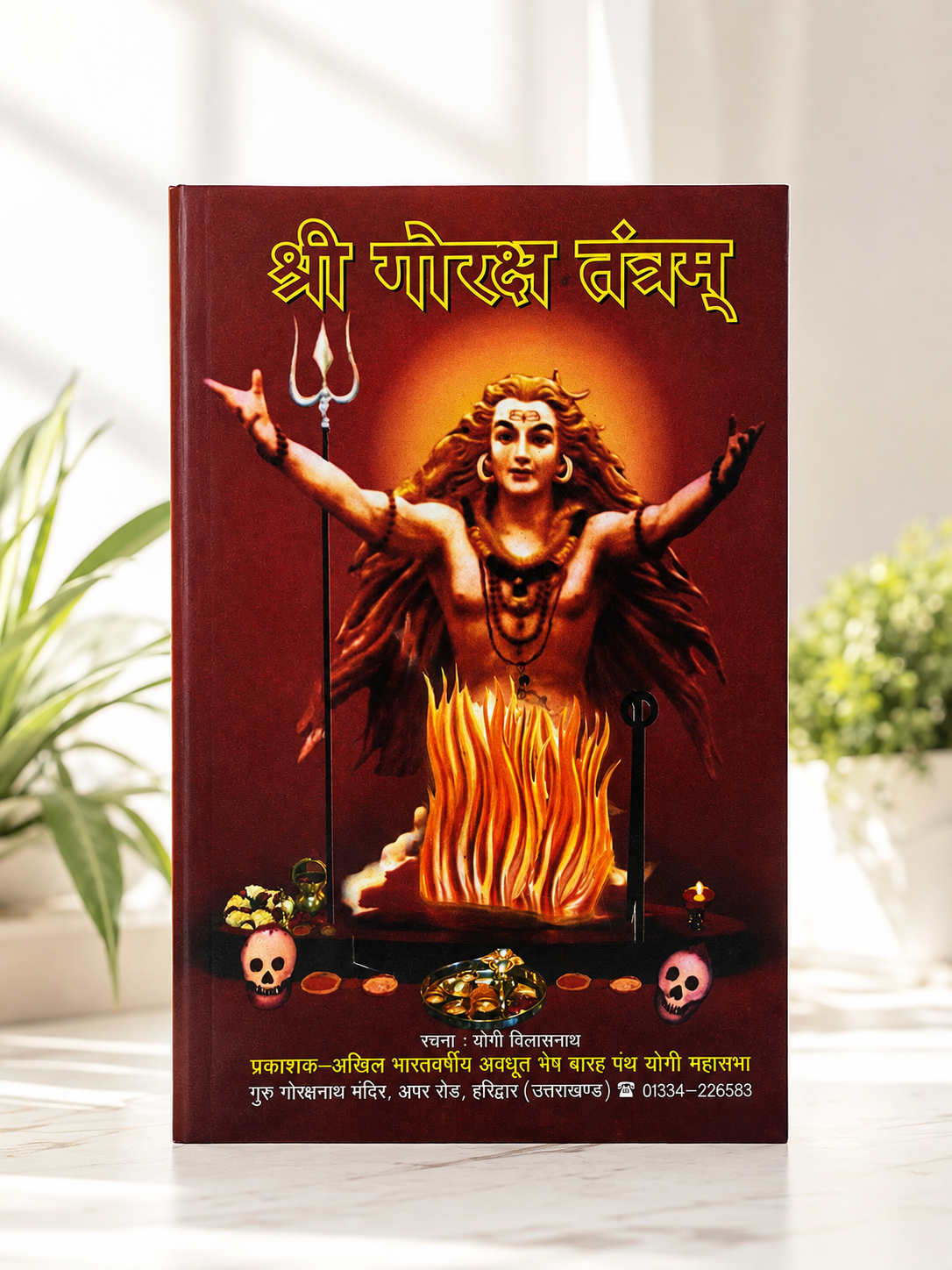
Yogi Vilasnath
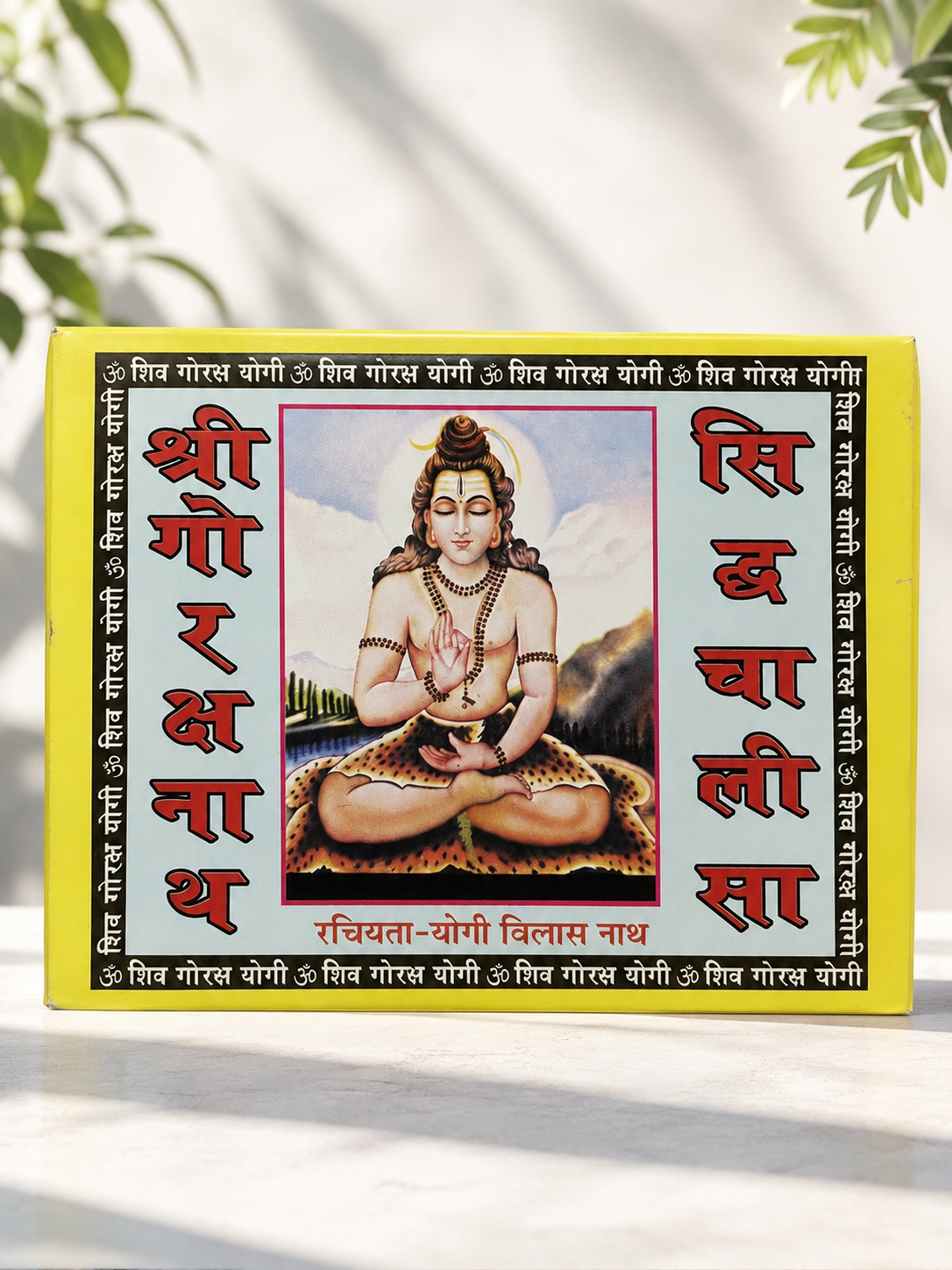
Yogi Vilasnath
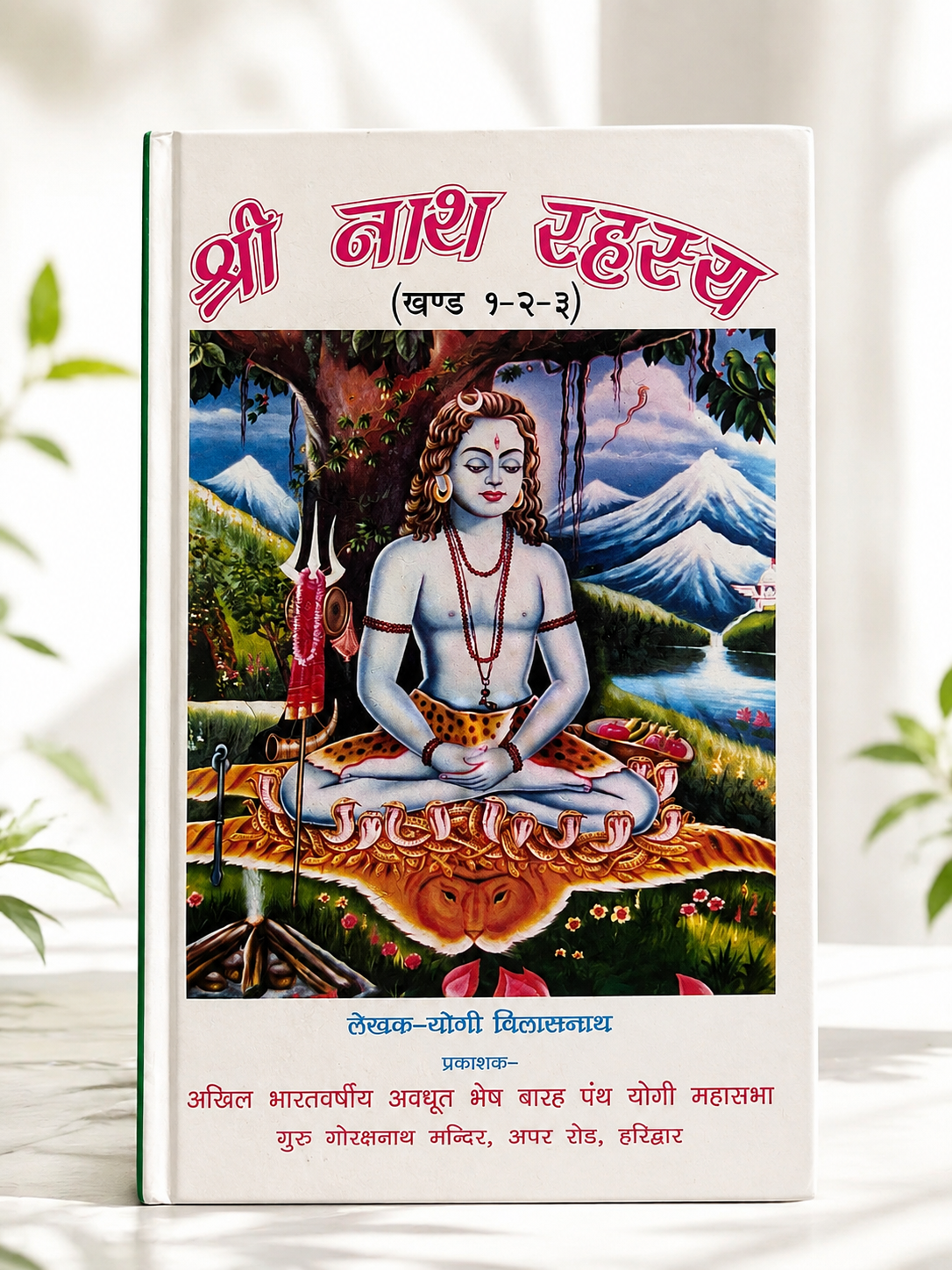
Yogi Vilasnath
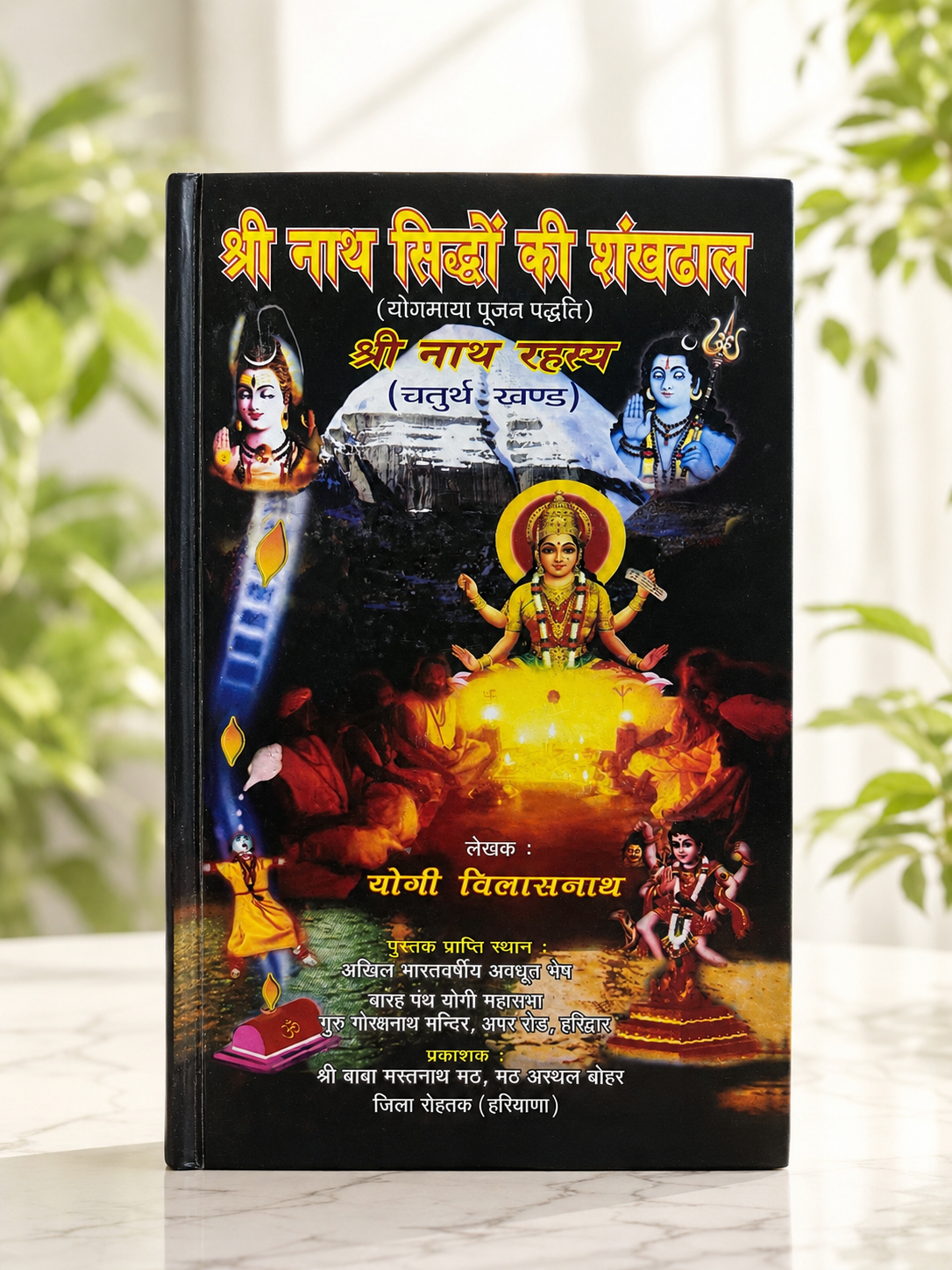
Dr. Yogi Vilasnath
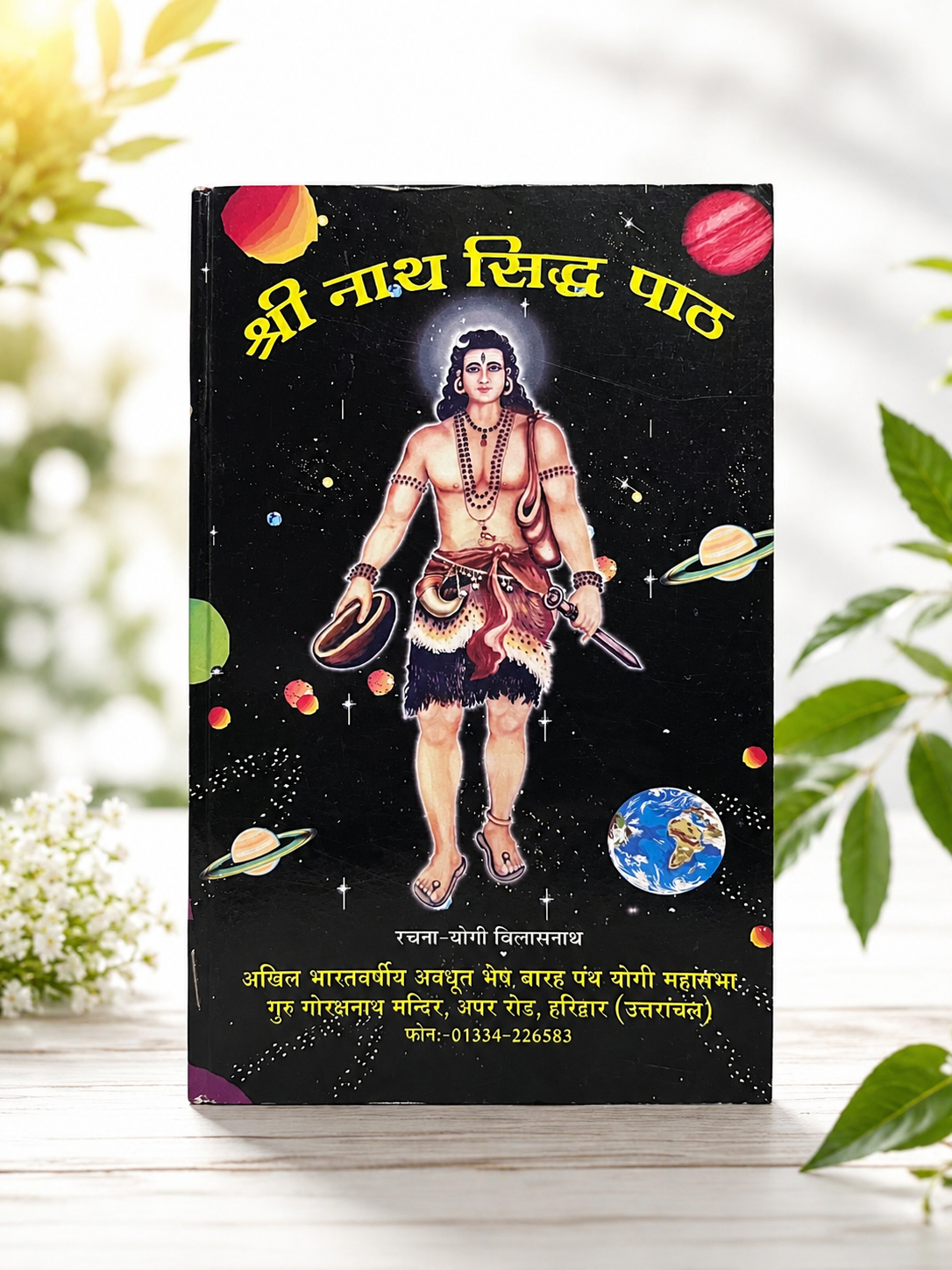
Yogi Vilasnath
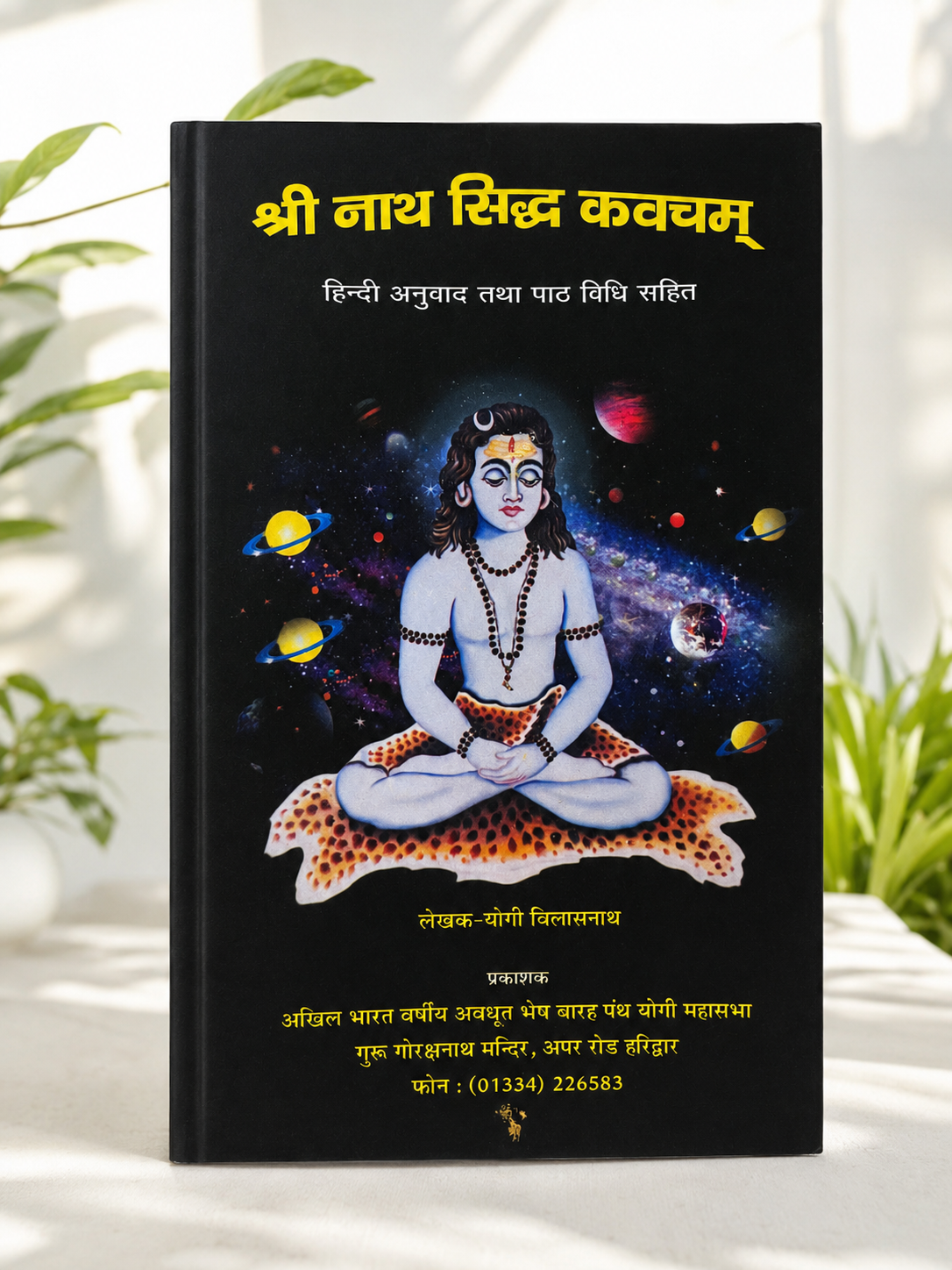
Yogi Vilasnath
Introduction from Guruji's own «Sankshipt Parichay» · Nath Sampraday Sahitya Bhandar